
What Are Mitochondrial-Derived Peptides?
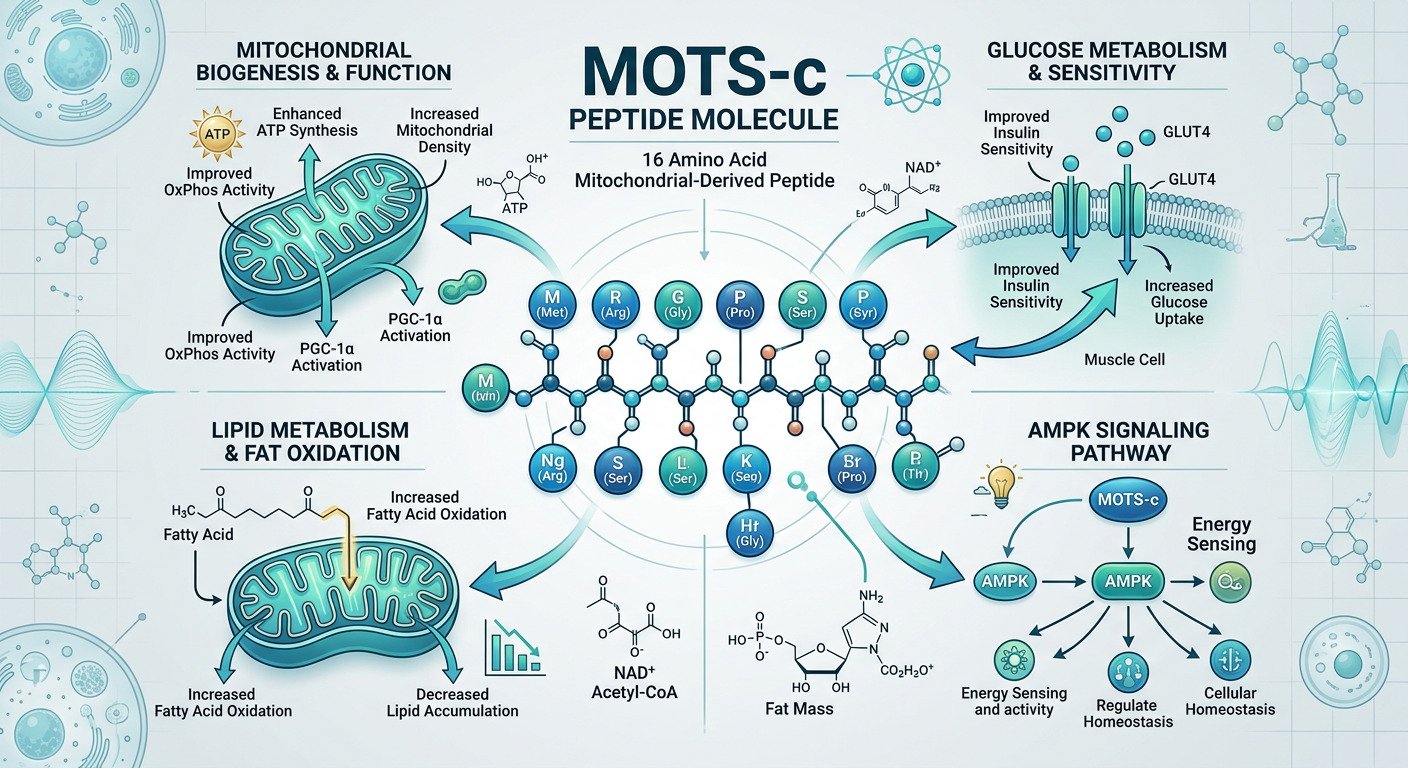
Mitochondrial-derived peptides are a class of short amino acid chains encoded within mitochondrial DNA. Unlike most peptides, which are encoded in the nucleus of the cell, these peptides originate from the mitochondria, the structures responsible for producing cellular energy.
This unique origin has made mitochondrial-derived peptides a subject of significant scientific interest, as they may play a role in regulating how cells use energy and maintain balance.
How Mitochondrial-Derived Peptides Are Believed to Work
Research suggests that mitochondrial-derived peptides may influence metabolism through several mechanisms:
- Metabolic homeostasis: These peptides may help regulate the balance of energy use and storage within cells.
- AMPK pathway activation: Some mitochondrial-derived peptides appear to activate AMPK, an enzyme often called the cell's "energy sensor," which plays a key role in metabolism.
- Insulin sensitivity: Research indicates these peptides may influence how cells respond to insulin, a hormone central to blood sugar regulation.
What Research Has Found
Studies on mitochondrial-derived peptides have explored their potential effects on:
- Obesity and weight regulation
- Diabetes and blood sugar management
- Longevity and the aging process
While these findings are intriguing, robust human clinical trials remain limited. More research is needed to fully understand the effects, safety, and appropriate applications of mitochondrial-derived peptides in humans.
Current Status
Mitochondrial-derived peptides are not approved by the U.S. Food and Drug Administration (FDA) or the European Medicines Agency (EMA) as medical treatments. They are primarily available for research purposes. The legal status of these compounds varies by country, and individuals should be aware of the regulations in their jurisdiction.
Key Takeaways
- Mitochondrial-derived peptides are encoded in mitochondrial DNA.
- They are believed to regulate metabolism through AMPK activation and insulin sensitivity.
- Research has explored their effects on obesity, diabetes, and longevity.
- They are not approved medical treatments in the USA or EU.
- Anyone considering peptides should consult a qualified healthcare professional.
This article is for educational purposes only and does not constitute medical advice. See our Disclaimer for more information.